LGBTQI+ Terminology

Understanding the Acronym:

LGBTQI+

LGBTQI+ is an inclusive umbrella acronym, sometimes shortened to LGBT or LGBTQ+, used to describe diverse sexual orientations, gender identities, and sex characteristics.

L

Lesbian

A woman who is primarily attracted to other women.

Lesbians are women who have a physical, romantic and/or emotional attraction to other women.


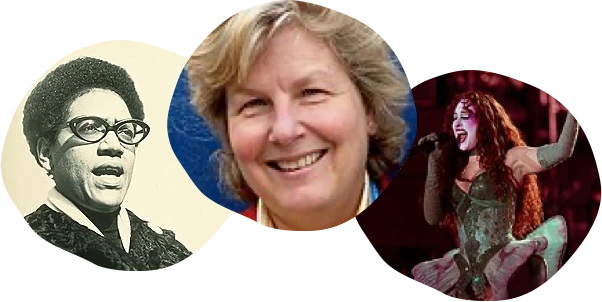
Audre Lorde, Sandi Toksvig,
Chapell Roan

G

Gay

A person who is primarily attracted to people of the same gender (often used for men attracted to men but can be used by other members of the LGBTQI+ community). Gay men are men who have a physical, romantic and/or emotional attraction to other men. Some women would also use the word gay to describe their attraction to other women. Gay can also be an umbrella term for the LGBTQI+ Community.

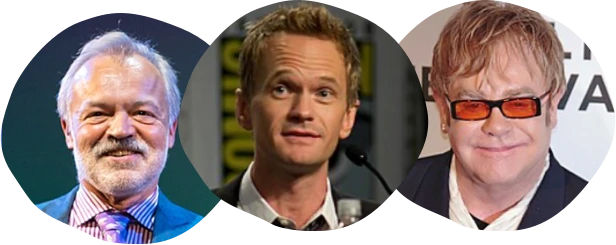
Graham Norton, Neil Patrick Harris,
Elton John

B

Bisexual

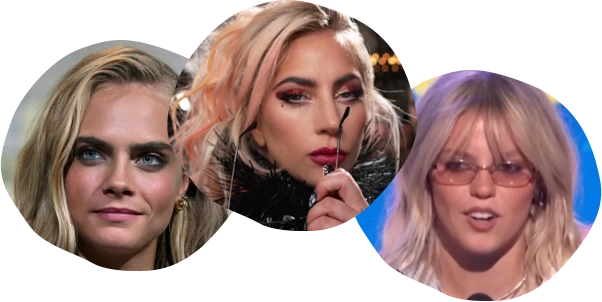
A person attracted to people of their own gender and people of other genders. Bisexual (Bi) people are people who have a physical, romantic, and/or emotional attraction to those of the same gender and to those of another gender.

Cara Delevingne, Lady Gaga, Renee Rapp

T

Trans or Transgender

An umbrella term for people whose gender identity and/or expression differs from the sex they were assigned at birth. Trans does not describe a sexual orientation; it describes a gender identity, usually that of someone whose sex assigned at birth is different from their gender (e,g, a person born with male anatomy whose gender is a woman). 

Elliot Page, Laverne Cox, Indya Moore

Q

Queer

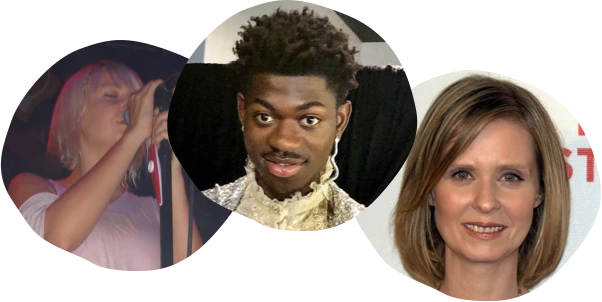
Queer is an umbrella term for sexual and gender minorities who are not heterosexual or cisgender. Queer was historically a slur and can sometimes still be but it has been reclaimed by many in the community.

Sia, Lil Nas X, Cynthia Nixon

I

Intersex

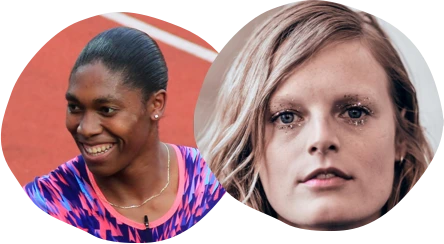
A person born with variations in their sex characteristics (including chromosomes, gonads, or genitals) that do not fit typical definitions of male or female. Intersex refers to individuals who are born with sex characteristics, such as genitals or hormonal structure, that do not belong strictly to male or female categories, or that belong to both at the same time. In the past, the word ‘Hermaphrodite’ has been used; this is generally considered derogatory and has been replaced by the term intersex.

Caster Semenya, Hanne Gaby Odiele,
Caroline Cossey

+

The Plus Sign

Signifies the many diverse identities that are not explicitly listed in the acronym, such as Asexual, Pansexual, Agender, and many others. (+) is an attempt to be more inclusive of all identities, to include people who may have identified other gender identities or sexual orientations. The + sign signifies an open mind to the continuing ways people define themselves. The + sign can also include straight or cis gender allies.

Straight

The word ‘straight’ is often used to mean “heterosexual”. Heterosexual means you’re sexually attracted to the opposite sex only.

Cisgender

A cisgender person is someone whose gender identity and/or gender expression is the same as the sex assigned at birth e.g. a baby is born female and grows up and identifies as a woman. 

Differences between Identity and attraction

Gender identity and sexual orientation are about different parts of who someone is. Gender identity is how a person feels and understands their own gender, like being a woman, a man, non-binary, or something else, and it doesn’t necessarily match the sex they were given at birth.

 Sexual orientation is about who someone is attracted to, emotionally or romantically. Put simply, gender identity is about who you are, and sexual orientation is about who you’re attracted to. They’re connected for some people, but they’re not the same thing.

It is crucial to understand that gender identity, gender expression, sex assigned at birth, and sexual orientation are four distinct, independent concepts. 

Concept Definition Focus Example
Sex Assigned at Birth The classification given to a person at birth, usually based on their physical, chromosomal, hormonal, and anatomical characteristics. Physical Body Male, Female, Intersex
Gender Identity Ones deeply held, internal sense of self as a man, woman, both, neither, or somewhere else along the gender spectrum. Internal Sense of Self Woman, Man, Non-Binary, Genderfluid
Gender Expression How one outwardly presents their gender through behaviour, clothing, voice, or demeanour. Outward Appearance/Behaviour Masculine, Feminine, Androgynous
Sexual Orientation An inherent or immutable enduring emotional, romantic, or sexual attraction to other people. Attraction Heterosexual, Gay, Lesbian, Bisexual, Asexual

Simple Analogy: Think of this like a house:

Sex Assigned at Birth

is the foundation (the physical structure you start with)

Gender Identity

is the interior design (your internal sense of the space).

Gender Expression

is the exterior paint and landscaping (how you present the house to the world).

Sexual Orientation

is who you invite inside (who you are attracted to).

Terms to Know/Avoid

Using accurate and respectful language is fundamental to creating an affirming, safe, brave and proud environment for LGBTQI+ youth.

Affirming/Current (Use) Outdated/Harmful (Avoid) Reason for Use/Avoidance
Non-Binary Transsexual Non-Binary is an identity. Transsexual is an outdated, clinical term that pathologizes trans people and should be avoided unless a person uses it explicitly for themselves.
Transgender person(as an adjective) Transgendered (as a verb/past tense) Transgender is an adjective that describes a person’s identity (e.g., “a transgender person”). The word “transgendered” is grammatically incorrect and implies that something was done to the person.
Cisgender “Normal” or “Biological” Cisgender is the term for people whose gender identity aligns with the sex they were assigned at birth. Avoid implying that cisgender is the default or “normal” state.
Partner Sexual Preference or Lifestyle Partner is a neutral, inclusive term for a significant other. Sexual Preferencesuggests attraction is a conscious, changeable choice. Lifestyleinappropriately implies that being LGBTQI+ is a trend or choice, not an identity.

LGBTQI+
Terminology Quiz

LGBTQI Quiz

1 / 5

What does the “L” in LGBTQI+ stand for? 

2 / 5

Which statement best describes bisexuality? 

3 / 5

What does the term “transgender” describe? 

4 / 5

What does the “I” in LGBTQI+ represent? 

5 / 5

Which of the following is the correct distinction between gender identity and sexual orientation? 

0%